

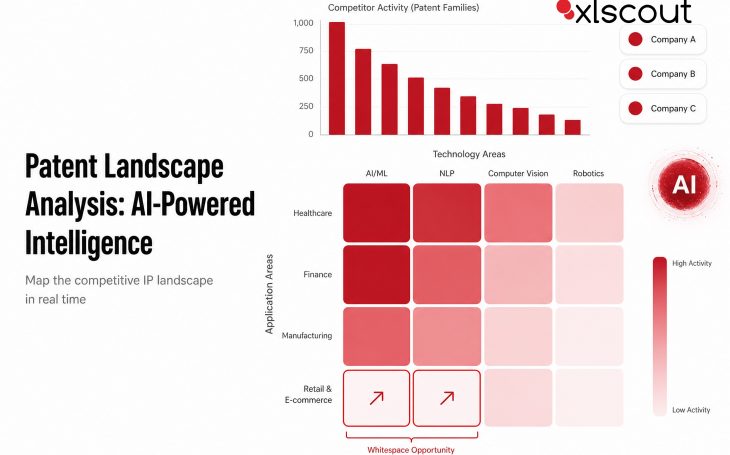
Patent Landscape Analysis: How TechScaper LLM Helps R&D Teams Map the Competitive IP Landscape
Introduction Understanding the patent landscape before making R&D investment decisions is not optional — it is the difference between filing into whitespace and filing into a wall. Yet traditional patent landscape analysis is expensive, slow, and becomes outdated the moment...

AI Patent Portfolio Management: How IP Teams Use XLSCOUT to Build, Prune, and Protect Stronger Portfolios
Introduction A patent portfolio is only as valuable as the strategy behind it. Enterprises spend millions annually on prosecution, maintenance, and annuity fees — yet most portfolios contain a significant proportion of assets that no longer align with business priorities,...
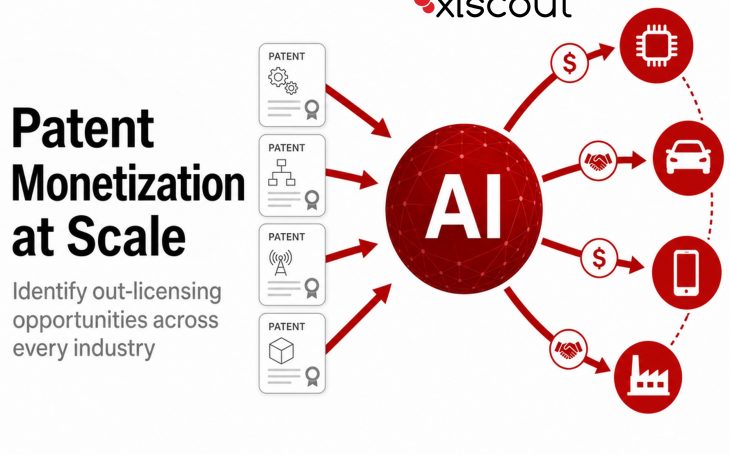
Patent Monetization: How PatDigger LLM Helps IP Teams Identify Out-Licensing Opportunities at Scale
Introduction Most enterprise patent portfolios contain far more IP than is actively generating revenue. Licensing teams know the assets exist — but identifying which patents read on which competitor or industry products, at the claim-element level, is a manual process...
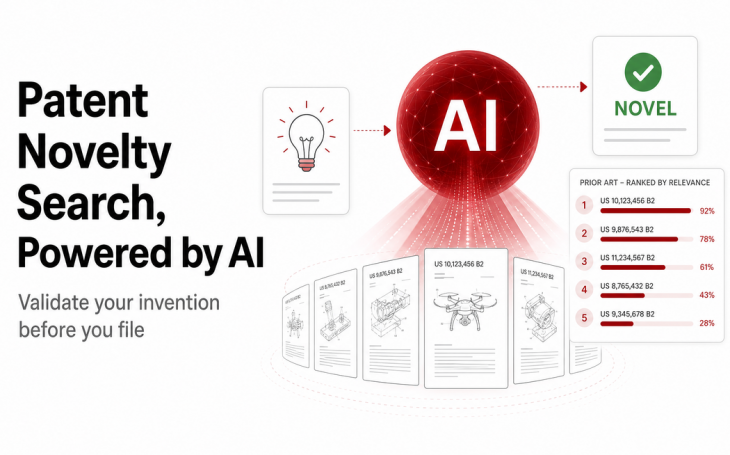
Patent Novelty Search: How Novelty Checker LLM Helps R&D Teams Validate Ideas Before Filing
Introduction Every patent application begins with a question: has this been done before? The answer — and how quickly and accurately teams can get to it — determines whether an R&D investment is protected or wasted. A patent novelty search...
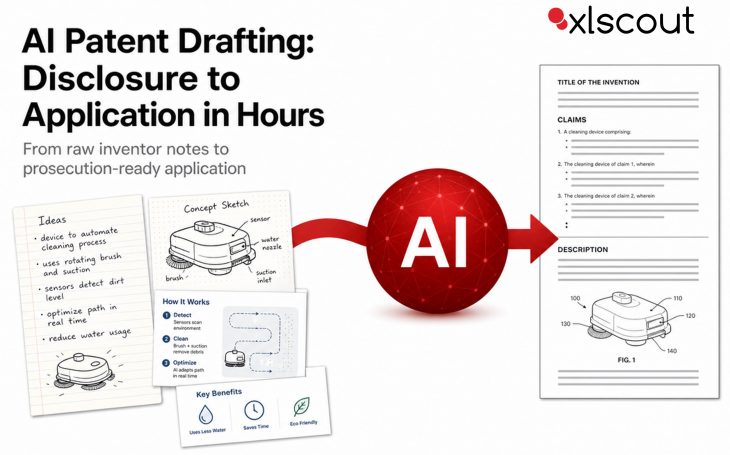
AI Patent Drafting: How Drafting LLM Takes IP Teams from Disclosure to Application in Hours
Introduction Patent application drafting is one of the most time-consuming tasks in IP practice. A skilled patent attorney typically spends 15 to 30 hours moving from an inventor’s disclosure to a prosecution-ready application — translating technical concepts into claim language,...
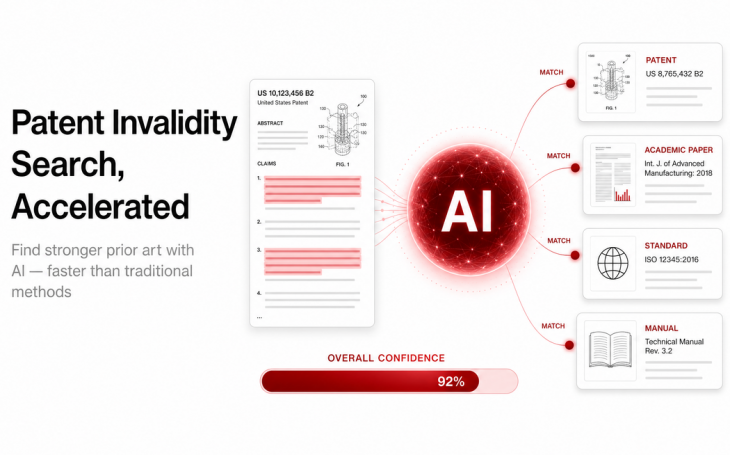
Patent Invalidity Search: How Invalidator LLM Helps Litigation Teams Find Stronger Prior Art, Faster
Traditional patent invalidity search is a high-stakes, time-intensive process. Litigation teams spend weeks combing through patent databases, non-patent literature, and standards documents — hoping to find the prior art reference that can break an asserted claim. The margin for error...