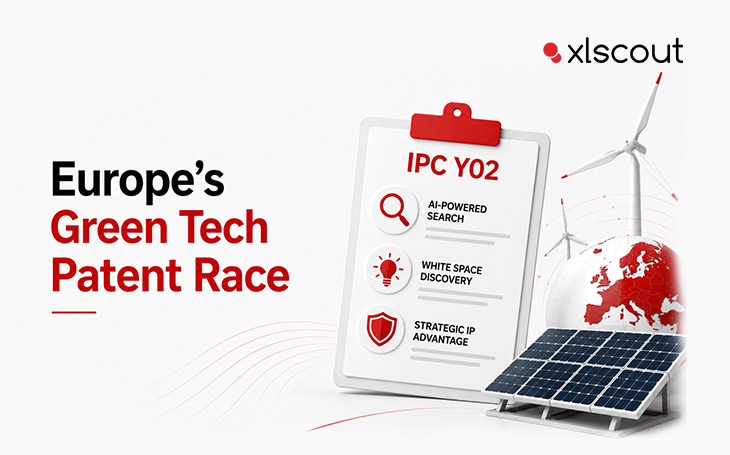
Europe’s Green Tech Patent Race: How AI Tracks the IPC, Identifies White Space, and Guides Clean Energy IP Strategy
Introduction The European Green Deal committed €1 trillion to clean energy transition over the decade to 2030. The patent filing activity that commitment has generated is visible in every major cleantech technology class: solar photovoltaics, offshore wind, green hydrogen, battery...

CIP Patents: How AI Identifies New Claim Opportunities, Builds Patent Families, and Maximises Portfolio Coverage
A granted patent is a starting point, not a finish line. The most defensible IP positions are built from patent families — parent patents extended through continuations and continuation-in-part applications that follow technology development and block competitive workarounds. Most companies...

How R&D Teams Use AI to Identify Patent Whitespace Before Filing
Introduction Most R&D teams file patents based on what they have already invented. The teams building the most defensible IP positions are filing based on where the technology landscape is going. AI-related patents are growing 28% year-on-year globally (WIPO 2025)....
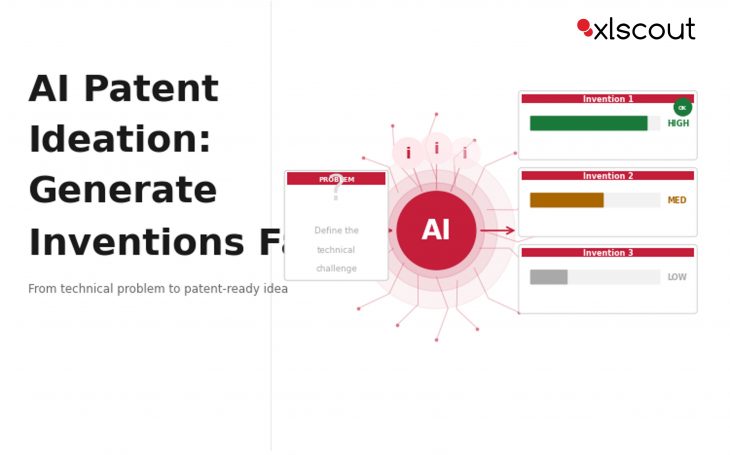
AI Patent Ideation: How Ideacue 10X Helps R&D Teams Generate and Validate Patent-Ready Inventions Faster
Introduction Patent-ready invention ideas do not always come from the R&D lab in a structured form. Inventors work iteratively — exploring, combining, and refining technical approaches before anything resembles a patentable disclosure. The gap between a promising technical direction and...

Beyond the Whiteboard: The Power of AI in Modern Brainstorming
Introduction Brainstorming has long been the cornerstone of innovation. From traditional whiteboard sessions to structured team workshops, it has helped turn raw ideas into groundbreaking solutions. In its earlier forms, brainstorming often relied on in-person interactions and manual techniques, such...

Unlock Fresh Perspectives: The Power of AI in Creative Ideation
Introduction Innovation is the backbone of intellectual property, especially when it comes to filing continuation and continuation-in-part (CIP) patent applications. These applications play a critical role in expanding the scope of an existing patent by adding new claims, refining existing...