
US Biotech and Pharma Patent Strategy: How AI Manages Prior Art, Continuations, and Portfolio Lifecycle
Introduction In US biotech and pharma patent practice, the most important prior art reference is often not a patent at all. It is a paper in a peer-reviewed journal, a clinical trial registration, a conference abstract, or a regulatory submission....

European Pharma IP: How AI Manages Prior Art, Patent Opposition, and SPC Strategy for Life Sciences Teams
Introduction A European pharmaceutical patent does not expire when the 20-year term ends. Supplementary protection certificates extend patent protection for marketed drugs by up to five years — commercially critical for products that require years of regulatory approval before reaching...

Australia and New Zealand Patent Strategy: How AI Prior Art Search Addresses the Limits of AusPat and IP Australia
Introduction Australian innovators in mining technology, agricultural technology, medical devices, and clean energy are filing more patents than at any point in the country’s history. IP Australia processed more than 35,000 patent applications in 2025, with the highest growth in...
IP Commercialization with AI: Find Licensing Partners, Value Technology, and Drive Revenue
Introduction IP commercialization — converting patent assets into revenue — is one of the highest-value activities an IP team can undertake. It is also one of the most systematically underperformed. Industry estimates suggest fewer than 20% of corporate patents generate...
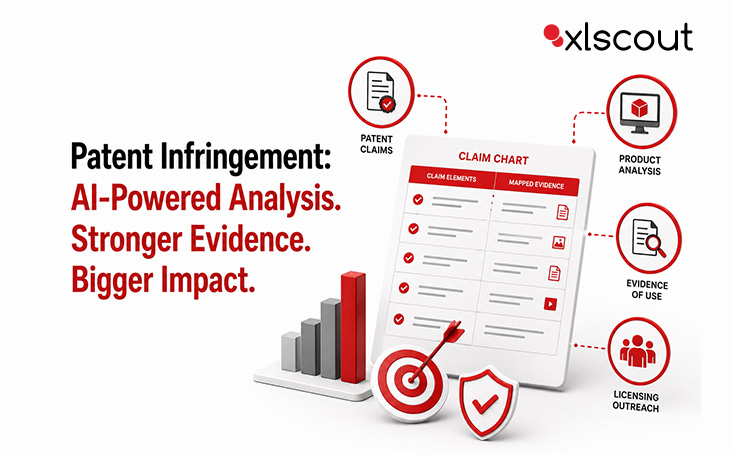
Patent Infringement: How AI Builds Claim Charts, Maps Evidence of Use, and Scales Licensing Campaigns
Introduction Patent claim charts are the foundational document of patent infringement analysis — the structured map that shows how each element of a patent claim reads on a specific product or process. Building a single claim chart manually takes an...

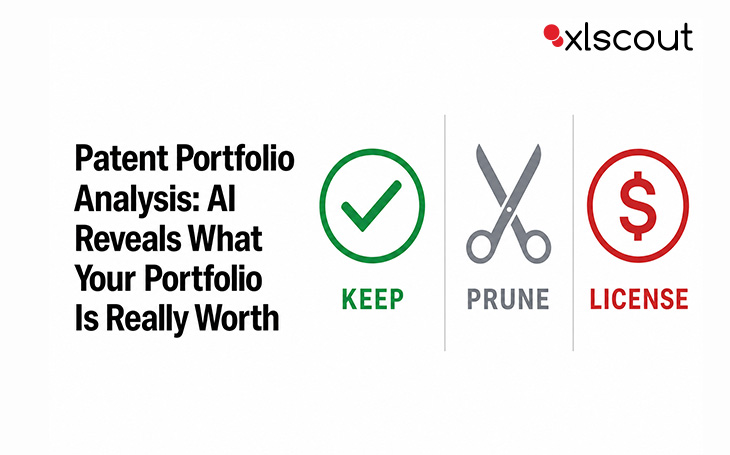
Patent Portfolio Analysis: How AI Evaluates Claim Strength, Identifies Technology Gaps, and Uncovers Licensing Value
Introduction Most patent portfolios are managed reactively — patents are filed when inventions occur, maintained until someone questions the cost, and reviewed when litigation or licensing forces the issue. AI-powered patent portfolio analysis turns this into a proactive model: continuous...