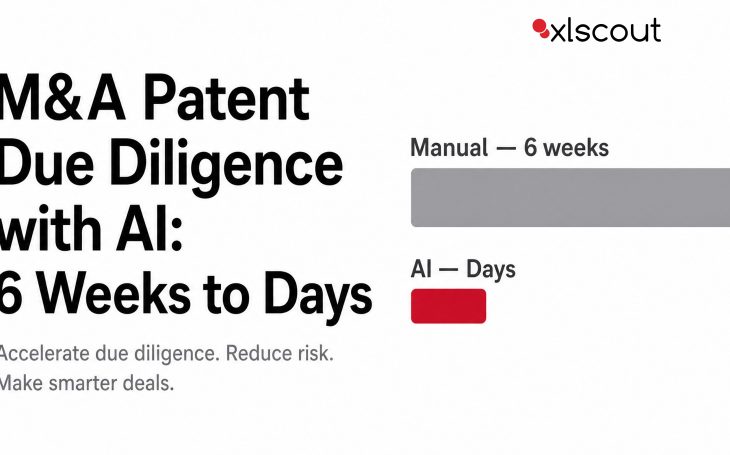
M&A Patent Due Diligence with AI: Compressing 6 Weeks Into Days
Introduction The deal has a 90-day close window. The target company has 500 patents. The IP team has three weeks before the acquisition committee needs a patent risk summary. Traditional patent due diligence for a 500-patent portfolio takes 4-8 weeks....
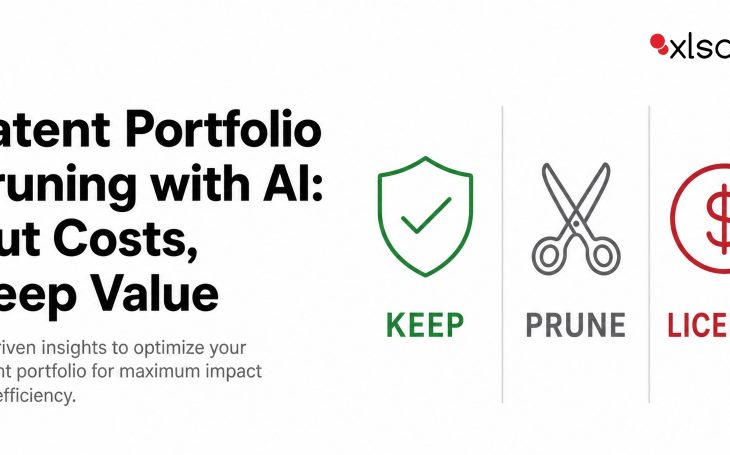
Patent Portfolio Pruning with AI: How to Cut Maintenance Costs Without Cutting Value
Introduction The average Fortune 500 company spends $2-5 million per year in patent maintenance fees. Industry estimates suggest 20-30% of those patents no longer cover any active product or meaningful technology area. That is $400,000 to $1.5 million per year...
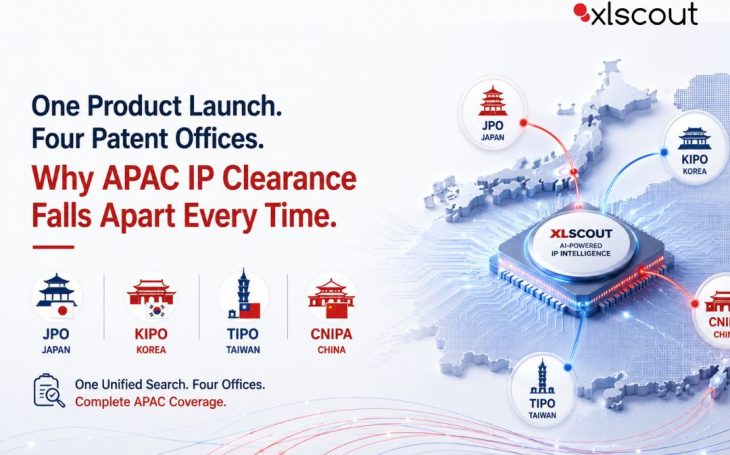
One Product Launch. Four Patent Offices. Why APAC IP Clearance Falls Apart Every Time.
Introduction A semiconductor product designed by a Taiwan fabless company, fabricated at TSMC, using components from Korean and Japanese suppliers, targeting consumer electronics markets in Japan, Korea, the United States, and China. This is not a hypothetical supply chain. It...
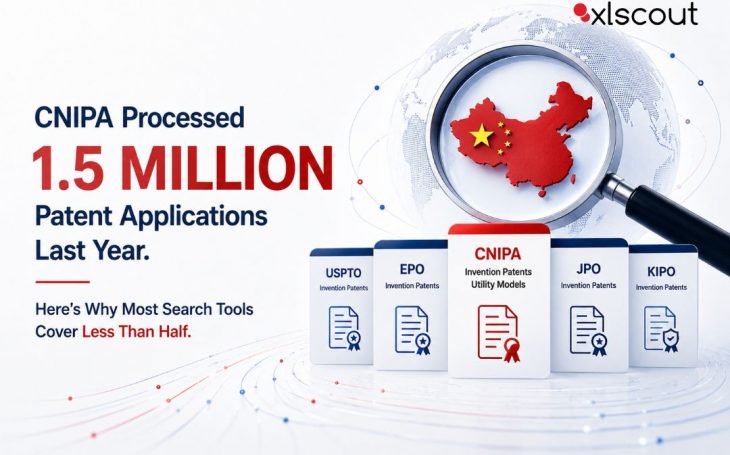
CNIPA Processed 1.8 Million Patent Applications Last Year. Here’s Why Most Search Tools Cover Less Than Half.
Introduction A semiconductor product designed by a Taiwan fabless company, fabricated at TSMC, using components from Korean and Japanese suppliers, targeting consumer electronics markets in Japan, Korea, the United States, and China. This is not a hypothetical supply chain. It...

Patent Monetization: How PatDigger LLM Helps IP Teams Identify Out-Licensing Opportunities at Scale
Introduction Most enterprise patent portfolios contain far more IP than is actively generating revenue. Licensing teams know the assets exist — but identifying which patents read on which competitor or industry products, at the claim-element level, is a manual process...

How to Run a Patent Licensing Campaign for a US Semiconductor or Deep-Tech Portfolio Using PatDigger LLM
Introduction Semiconductor patents don’t license like software patents. A single chip can infringe dozens of patent claims simultaneously — spanning materials, fabrication processes, circuit architecture, and system-level integration. Implementation occurs at multiple levels of the supply chain: chip designers, foundry...