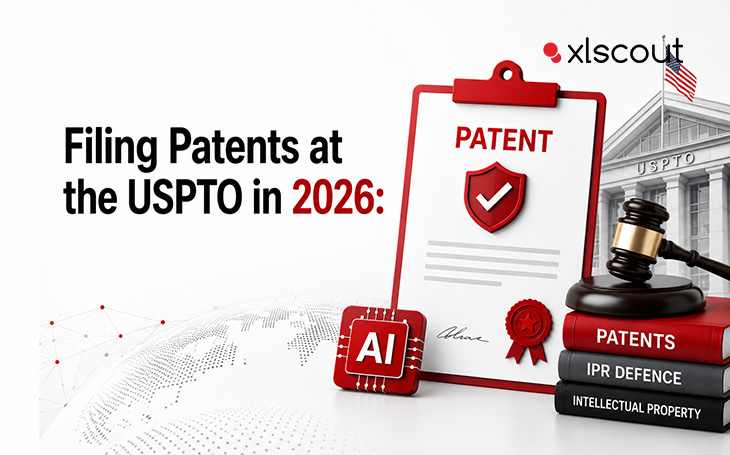
Filing Patents at the USPTO in 2026: How AI Handles Prior Art, IPR Defence, and Alice Rejections
Introduction US patent teams in 2026 are fighting on two fronts simultaneously. In prosecution, Section 101 Alice rejections continue to be the most common final rejection for software and AI patent applications — affecting more than 40% of applications in...

European Pharma IP: How AI Manages Prior Art, Patent Opposition, and SPC Strategy for Life Sciences Teams
Introduction A European pharmaceutical patent does not expire when the 20-year term ends. Supplementary protection certificates extend patent protection for marketed drugs by up to five years — commercially critical for products that require years of regulatory approval before reaching...
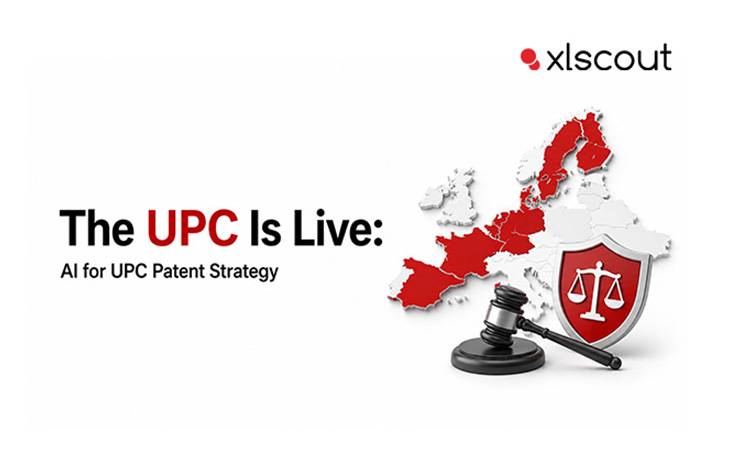
The UPC Is Live: How European IP Teams Are Using AI to Monitor, Assert, and Defend Under the Unified Patent Court
Introduction For the first time in the history of European patent law, a single patent action can determine the fate of a patent across 18 EU member states simultaneously. The Unified Patent Court has been operational since June 2023, and...
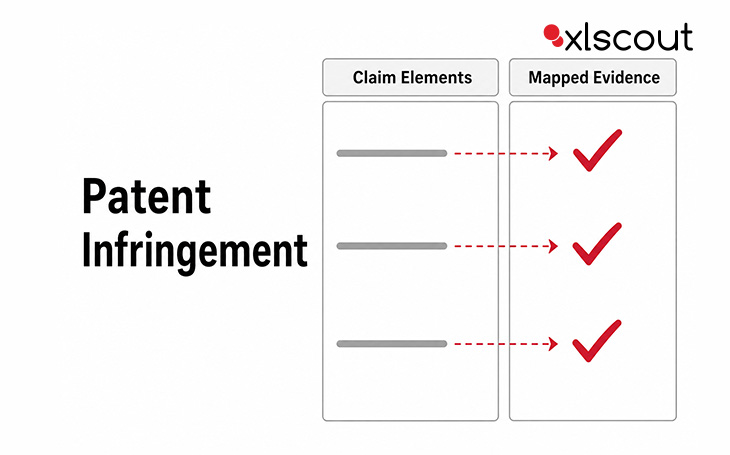
Patent Invalidity: How AI Structures Prior Art Search, Generates §102/§103 Analysis, and Automates Claim Mapping
Patent invalidity analysis is not one workflow. It is three simultaneous workflows — and the outcome depends on how well they are coordinated A prior art search that finds the right reference but cannot map it to the asserted claim...
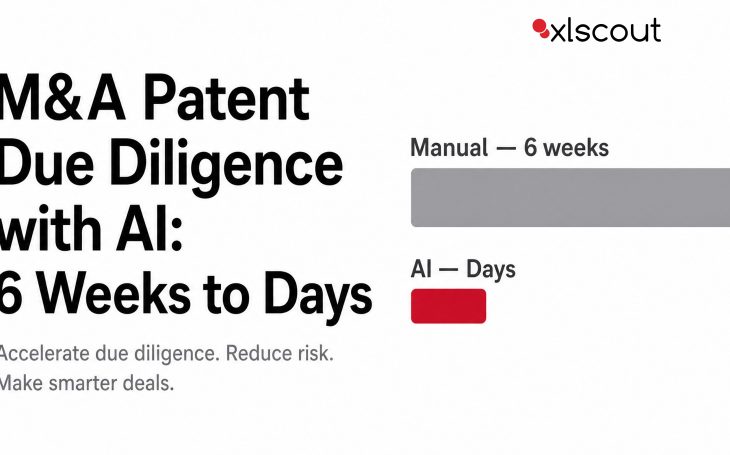
M&A Patent Due Diligence with AI: Compressing 6 Weeks Into Days
Introduction The deal has a 90-day close window. The target company has 500 patents. The IP team has three weeks before the acquisition committee needs a patent risk summary. Traditional patent due diligence for a 500-patent portfolio takes 4-8 weeks....
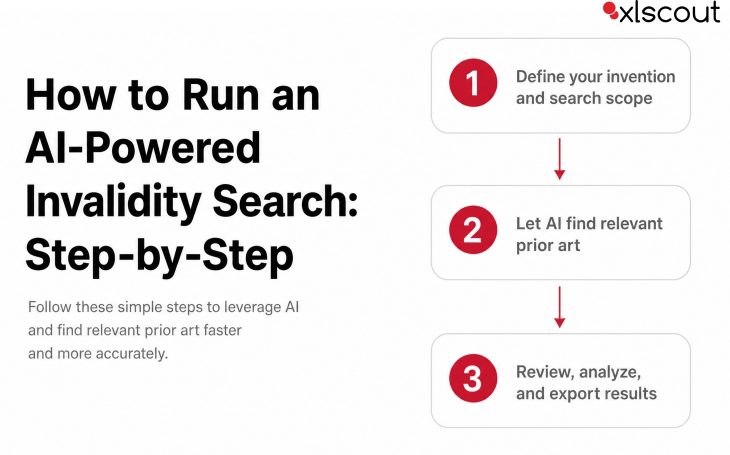
How to Run an AI-Powered Invalidity Search: Step-by-Step for Patent Professionals
Introduction An invalidity search is not like a patentability search. The stakes are different, the methodology is different, and the cost of a missed reference is different. 68% of instituted IPR petitions result in at least one claim cancelled. The...