

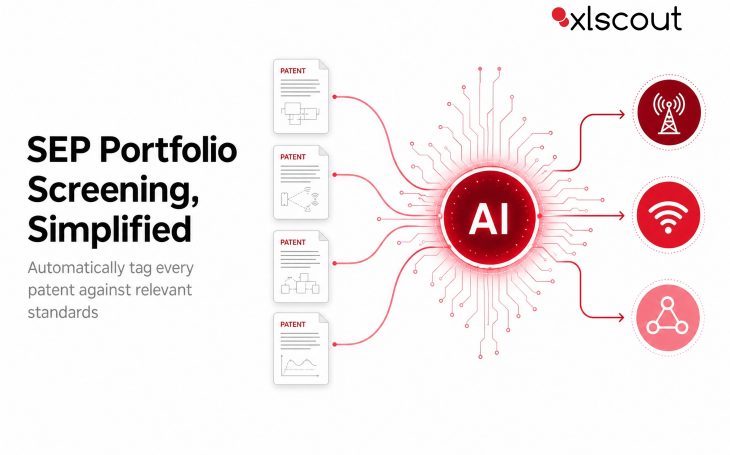
Introducing SEP Tagger in Standigger LLM: Accelerate Standards-Based Patent Screening
Introduction As the number of technical standards continues to grow, identifying patents that may be relevant to industry standards has become increasingly challenging. Traditional SEP screening often involves manually reviewing patent claims against multiple standards documents—a time-intensive process that requires...
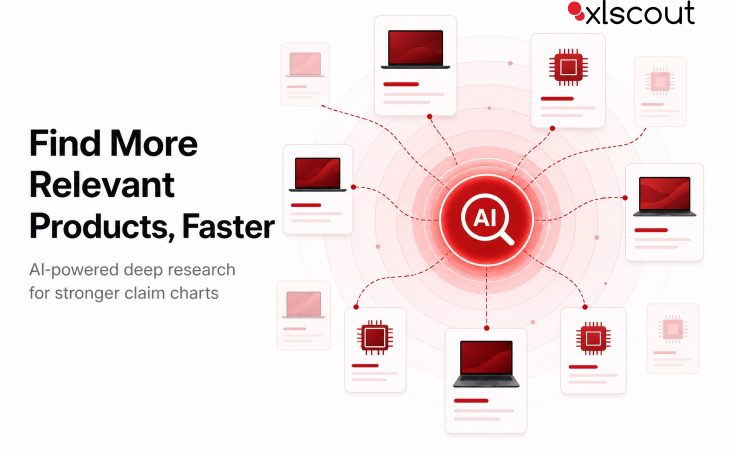
Introducing Deep Research in ClaimChart LLM: Find More Relevant Products, Faster
Go beyond single-product analysis with AI-powered research that expands your search and strengthens Evidence of Use generation. Introduction Generating a claim chart often begins with a single accused product. But identifying additional products that may practice the same patented invention...
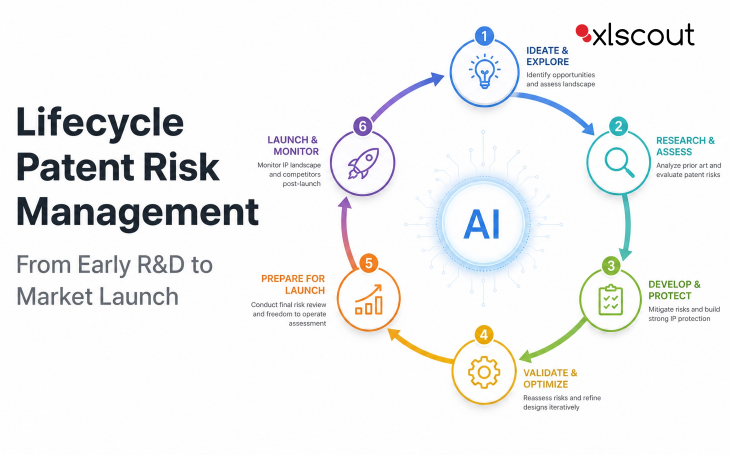
FTO and Technology Monitoring: How XLSCOUT Helps IP Teams Reduce Patent Risk Across the Full Product Lifecycle
Introduction Patent risk does not appear only at the moment of product launch. It builds across the entire product lifecycle — in the engineering decisions made before launch, in the competitor filings that publish while development is underway, and in...
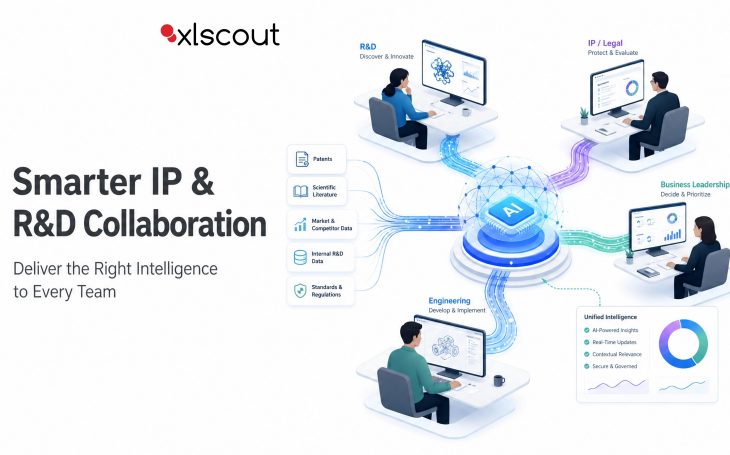
IP and R&D Collaboration: How TechScaper LLM Delivers the Right Patent Intelligence to Each Team
Introduction Patent intelligence fails when it reaches the wrong person at the wrong level of detail. An R&D director does not need a weekly list of 400 classified patent abstracts. A legal operations team does not need a raw feed...

Patent Whitespace Discovery: How TechScaper LLM Helps R&D Teams Identify Open Filing Opportunities Before Competitors Do
Introduction A patent whitespace is not simply a technology no one has patented. It is a technical area where patent density is low enough relative to commercial importance that a filing now — based on current R&D output — can...
Competitive Patent Monitoring: How TechScaper LLM Helps IP Teams Track What Competitors Are Building Before It Becomes a Patent
Introduction Competitor patent filings are publicly observable 18 months before any product announcement. In that window, a company filing aggressively around a technical area is signalling its R&D investment direction — more reliably than any press release, earnings call, or...