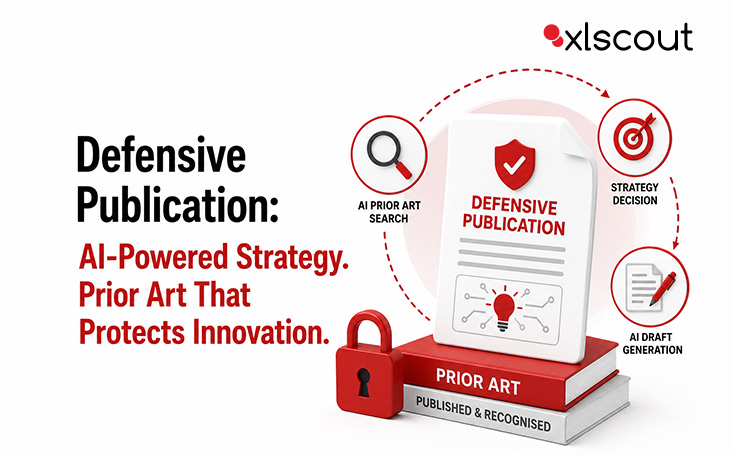
Defensive Publication: How AI Helps IP Teams Choose the Right Strategy, Draft Prior Art, and Protect Innovation Cost-Effectively
Introduction Not every invention needs a patent. And not every invention that does not need a patent should be left unprotected. Defensive publication is the third option that most IP teams underuse — the deliberate disclosure of an invention to...
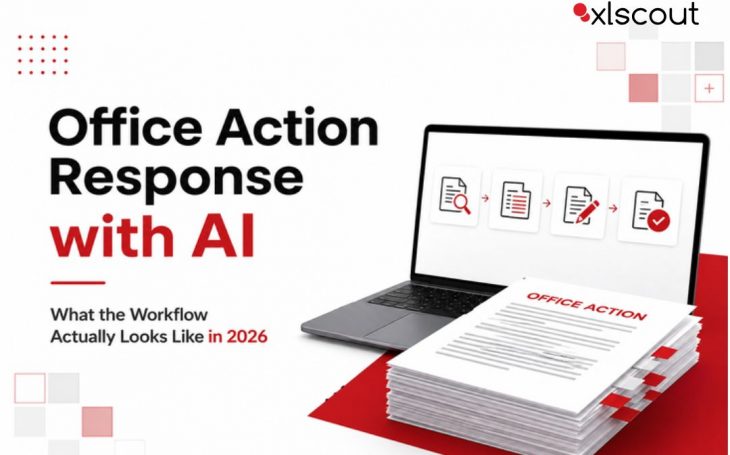
Office Action Response with AI: What the Workflow Actually Looks Like in 2026
Introduction 85% of US patent applications receive at least one office action. For the average IP practice, office action response is not an occasional task — it is a constant workflow that determines prosecution outcomes, shapes claim scope, and drives...
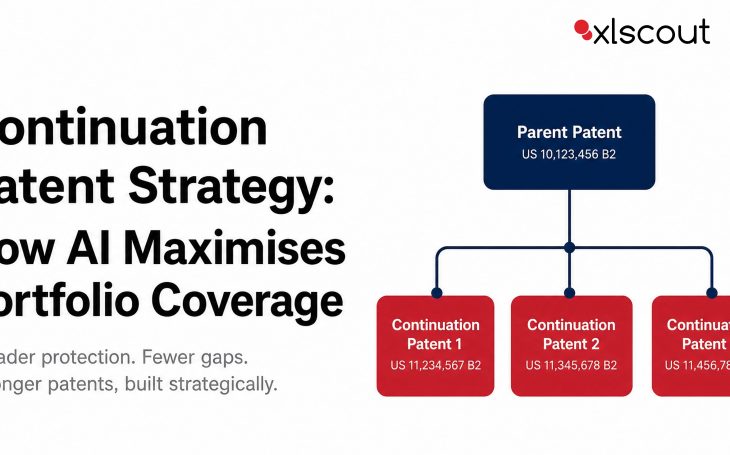
Continuation Patent Strategy in 2026: How AI Maximises Portfolio Coverage
Introduction A granted patent is not the end of a portfolio strategy. It is the beginning. The most defensible IP portfolios are not built from single filings. They are built from patent families — continuations, divisionals, and continuations-in-part that follow...
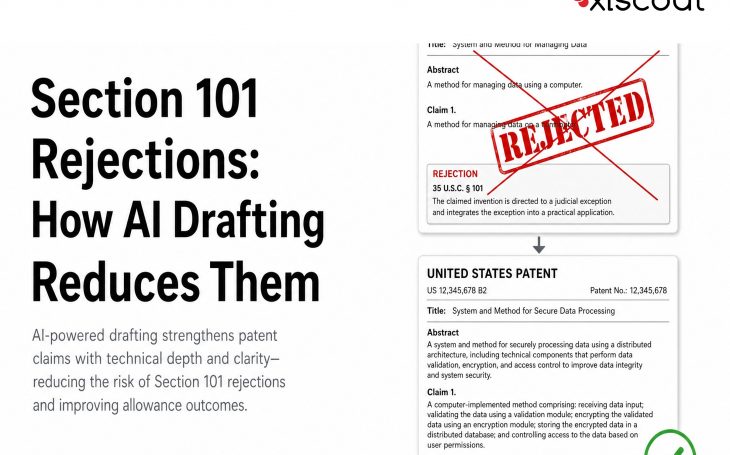
Section 101 Rejections Are Still the #1 Issue at the USPTO. Here Is How AI Drafting Helps.
Introduction More than a decade after Alice Corp v. CLS Bank (2014), Section 101 rejections remain the most common final rejection for software, AI, and business method patents at the USPTO. 40%+ of software and AI patent applications receive at...

One Product Launch. Four Patent Offices. Why APAC IP Clearance Falls Apart Every Time.
Introduction A semiconductor product designed by a Taiwan fabless company, fabricated at TSMC, using components from Korean and Japanese suppliers, targeting consumer electronics markets in Japan, Korea, the United States, and China. This is not a hypothetical supply chain. It...
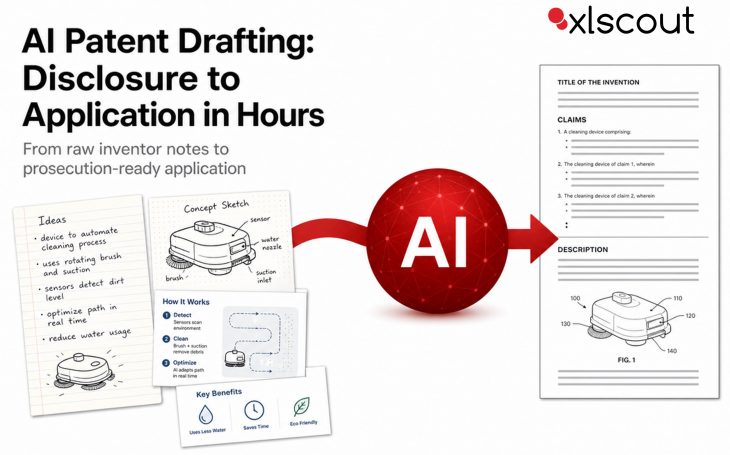
AI Patent Drafting: How Drafting LLM Takes IP Teams from Disclosure to Application in Hours
Introduction Patent application drafting is one of the most time-consuming tasks in IP practice. A skilled patent attorney typically spends 15 to 30 hours moving from an inventor’s disclosure to a prosecution-ready application — translating technical concepts into claim language,...