

Filing Patents at the USPTO in 2026: How AI Handles Prior Art, IPR Defence, and Alice Rejections
Introduction US patent teams in 2026 are fighting on two fronts simultaneously. In prosecution, Section 101 Alice rejections continue to be the most common final rejection for software and AI patent applications — affecting more than 40% of applications in...
Europe’s Green Tech Patent Race: How AI Tracks the IPC, Identifies White Space, and Guides Clean Energy IP Strategy
Introduction The European Green Deal committed €1 trillion to clean energy transition over the decade to 2030. The patent filing activity that commitment has generated is visible in every major cleantech technology class: solar photovoltaics, offshore wind, green hydrogen, battery...
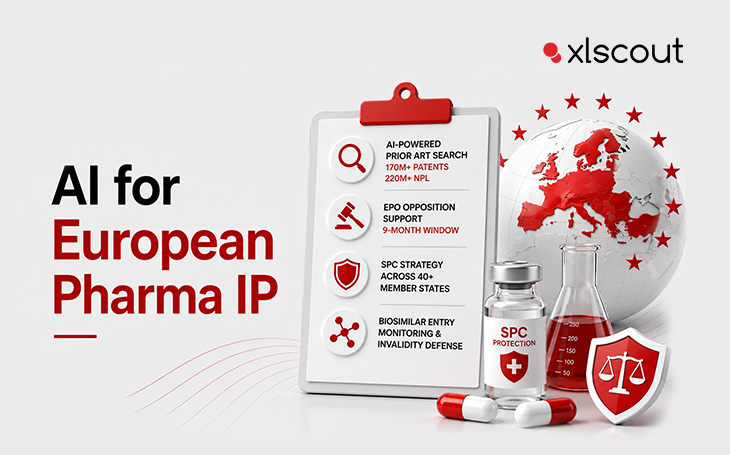
European Pharma IP: How AI Manages Prior Art, Patent Opposition, and SPC Strategy for Life Sciences Teams
Introduction A European pharmaceutical patent does not expire when the 20-year term ends. Supplementary protection certificates extend patent protection for marketed drugs by up to five years — commercially critical for products that require years of regulatory approval before reaching...

Spain and Southern Europe: AI Prior Art Search for IP Teams Working Across the EPO and OEPM
Introduction Spain is one of Europe’s largest pharmaceutical markets and home to major innovators including Rovi, Almirall, and Grifols. Its automotive sector — anchored by SEAT and dozens of component manufacturers — files significant patent activity across EPO and the...

The Netherlands and High-Tech IP: How Dutch Innovation Teams Use AI for Semiconductor and Deep-Tech Patent Strategy
Introduction ASML holds more than 20,000 active patents. Philips has one of the largest global health technology patent portfolios in the world. NXP files thousands of semiconductor patents every year. The Netherlands — a country of 17 million people —...

EPO Prior Art Search in 2026: Why ESPACENET Has Structural Limits and How AI Closes the Gap
Introduction EPO examiners search globally. They search the Japanese patent database. They search the Korean patent database. They search Chinese patent publications. They search academic literature and technical standards documents. And they cite what they find in the first office...