
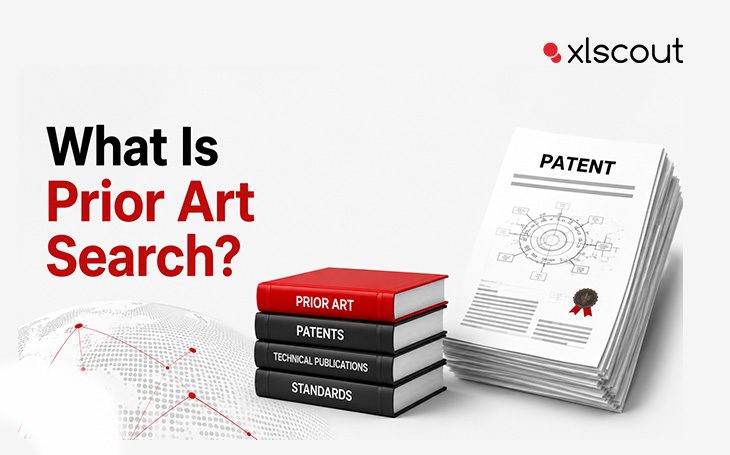
Prior Art Search: What It Is, How It Works, and Why AI Finds More of It
Introduction Prior Art Search: A prior art search is a systematic investigation of all publicly available information — patents, academic publications, product documentation, and technical disclosures — that existed before a patent application’s priority date, conducted to determine whether an...
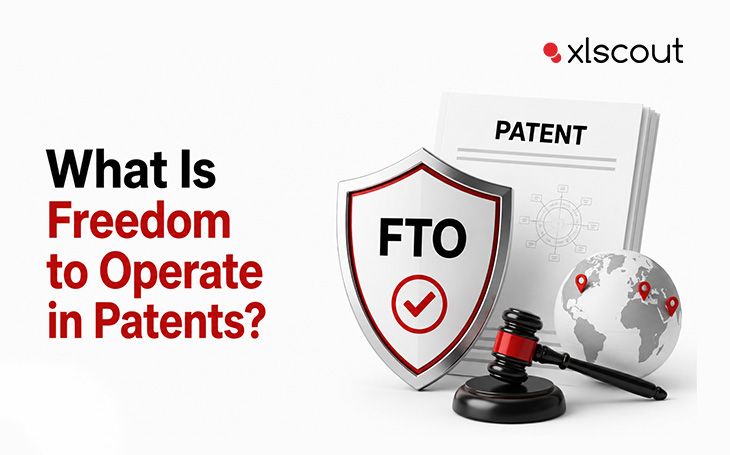
What Is Freedom to Operate in Patents? A Complete Guide for Product and IP Teams
Introduction Freedom to Operate (FTO): Freedom to operate (FTO) is the determination that a company can manufacture, use, sell, or import a specific product or process in a specific jurisdiction without infringing any valid, enforceable patent claims held by a...
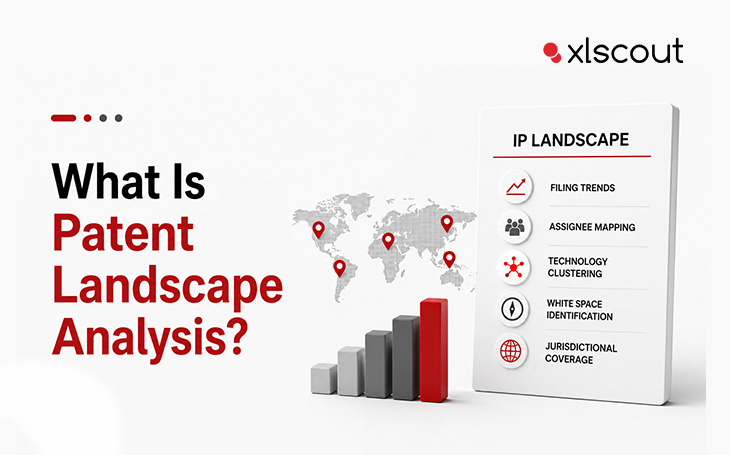
What Is Patent Landscape Analysis? How AI Makes It Faster, Deeper, and Always Current
Introduction Patent Landscape Analysis: Patent landscape analysis is a structured examination of a defined patent corpus — typically all patents in a specific technology domain, geographic market, or competitive set — to map filing trends, identify technology concentrations, surface white...
What Is a Patent Invalidity Search? A Complete Guide for IP and Litigation Teams
Introduction Patent Invalidity Search: A patent invalidity search is a systematic investigation of prior art — patents, academic papers, standards documents, and technical publications — conducted to identify evidence that a granted patent’s claims are not novel or are obvious,...

US Tech IP Strategy: How Silicon Valley IP Teams Use AI to Monitor Competitor Filings and Protect Market Position
Introduction The top 20 US technology companies file between 2,000 and 5,000 patent applications per year. At that velocity, a competitor can file 200 patents in a new technology sub-domain in a single quarter — declaring an R&D pivot, staking...
US Biotech and Pharma Patent Strategy: How AI Manages Prior Art, Continuations, and Portfolio Lifecycle
Introduction In US biotech and pharma patent practice, the most important prior art reference is often not a patent at all. It is a paper in a peer-reviewed journal, a clinical trial registration, a conference abstract, or a regulatory submission....