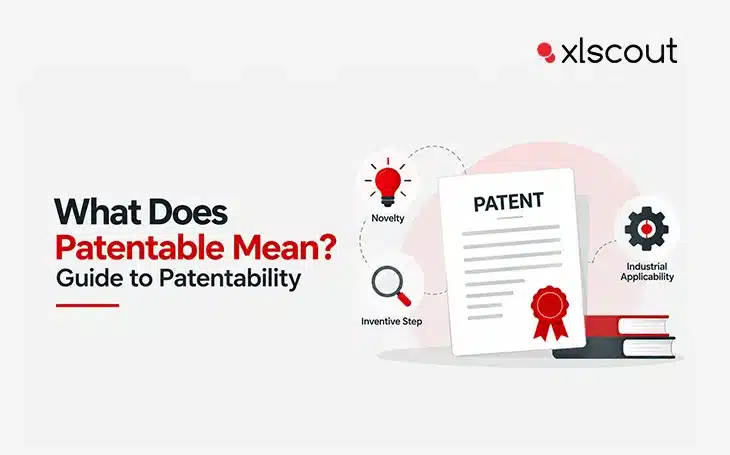
What Does Patentable Mean? The Complete Guide to Patentability
Quick answer: Patentable means an invention satisfies three legal requirements at the same time: it is novel (new), non-obvious (an inventive step beyond current knowledge), and useful (has a specific, real-world application). An idea that fails even one of these...
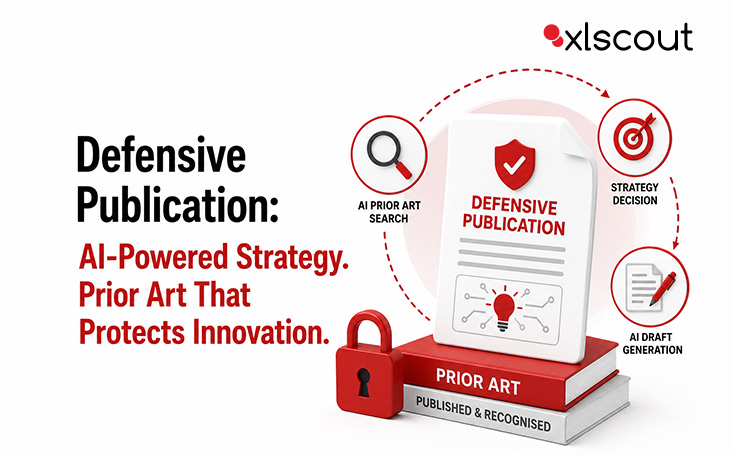
Defensive Publication: How AI Helps IP Teams Choose the Right Strategy, Draft Prior Art, and Protect Innovation Cost-Effectively
Introduction Not every invention needs a patent. And not every invention that does not need a patent should be left unprotected. Defensive publication is the third option that most IP teams underuse — the deliberate disclosure of an invention to...
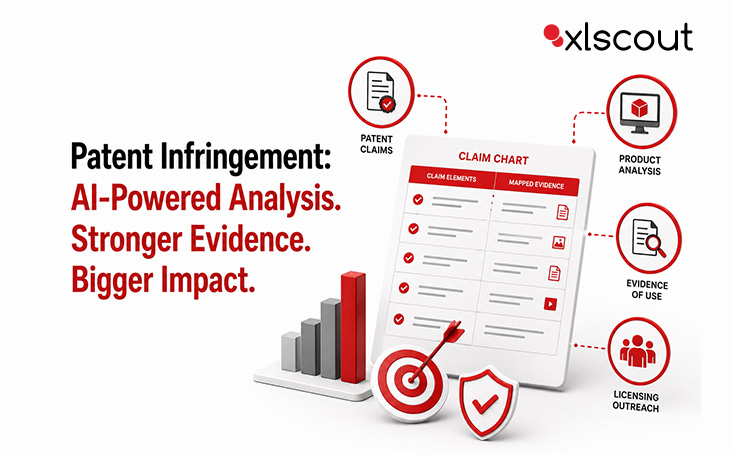
Patent Infringement: How AI Builds Claim Charts, Maps Evidence of Use, and Scales Licensing Campaigns
Introduction Patent claim charts are the foundational document of patent infringement analysis — the structured map that shows how each element of a patent claim reads on a specific product or process. Building a single claim chart manually takes an...

IP Landscape Analysis: How AI Maps Technology Domains, Surfaces White Spaces, and Guides R&D Investment Decisions
Introduction An IP landscape report commissioned today describes the state of the art as it existed when the analyst pulled the dataset — typically six to ten weeks ago. In a technology domain where relevant filings number in the thousands...

Patent Portfolio Analysis: How AI Evaluates Claim Strength, Identifies Technology Gaps, and Uncovers Licensing Value
Introduction Most patent portfolios are managed reactively — patents are filed when inventions occur, maintained until someone questions the cost, and reviewed when litigation or licensing forces the issue. AI-powered patent portfolio analysis turns this into a proactive model: continuous...
Competitive Intelligence: How AI Powers Patent Monitoring, Competitor Benchmarking, and Market Positioning for IP Teams
Introduction The signal that matters in IP competitive intelligence is not what a competitor says they are doing. It is what they are filing. Patent filings are the earliest public disclosure of R&D direction. A competitor who files 40 patents...