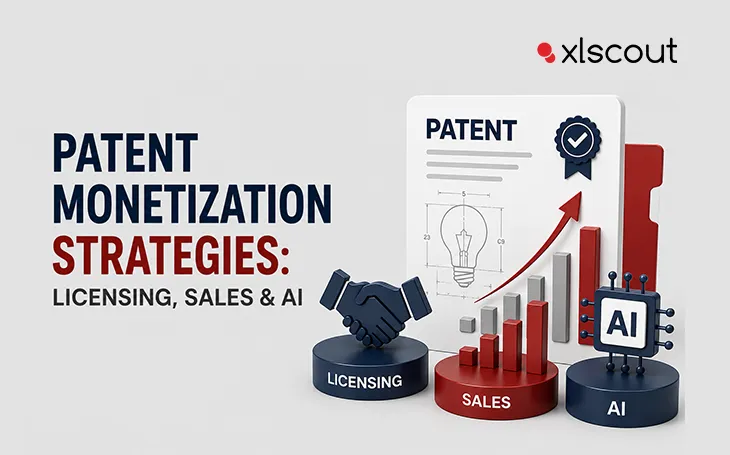
Patent Portfolio Monetization Strategies
Quick Answer Patent monetization turns a portfolio from a cost center into a revenue line through three routes: licensing, sale or cross-licensing, and litigation. The right strategy depends on which patents are high-value, how much term remains, and whether targets...
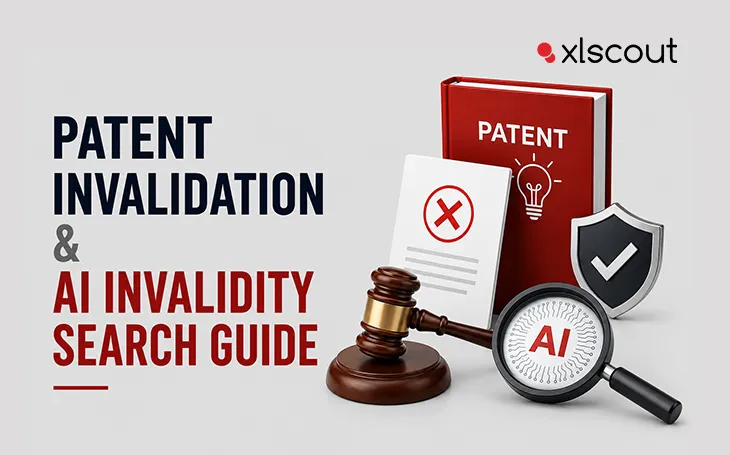
What Is Patent Invalidation and How AI Speeds Up Invalidity Search
Patent invalidation is the process of proving a granted patent should never have issued, usually by finding prior art that anticipates or makes its claims obvious. A patent invalidity search locates that evidence across patent and non-patent literature. XLSCOUT’s Invalidator...
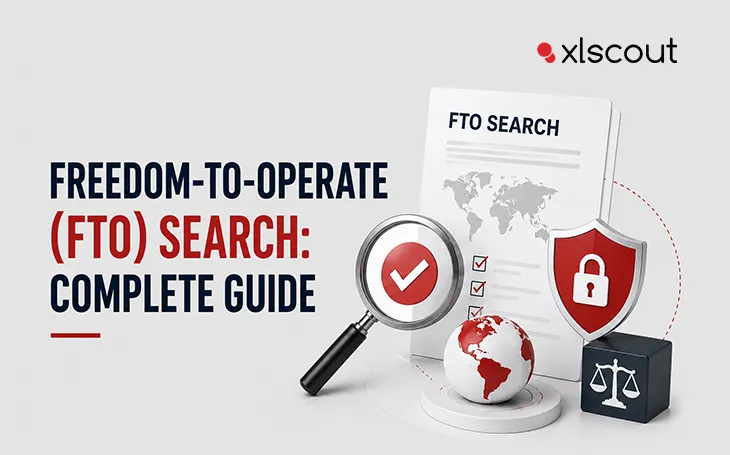
Freedom-to-Operate (FTO) Search: A Complete Guide
A freedom-to-operate search identifies in-force patents your planned product might infringe in your target markets. It focuses on granted and pending claims that are still active, not expired patents or general novelty. An FTO search reduces infringement risk before launch....

How AI Is Changing Patent Drafting
AI patent drafting tools now generate first-pass claims, abstracts, descriptions, and drawings from an invention disclosure, cutting the most time-intensive stage of the patent lifecycle. These drafts are built for attorney review, not blind filing. XLSCOUT’s Drafting LLM produces comprehensive...
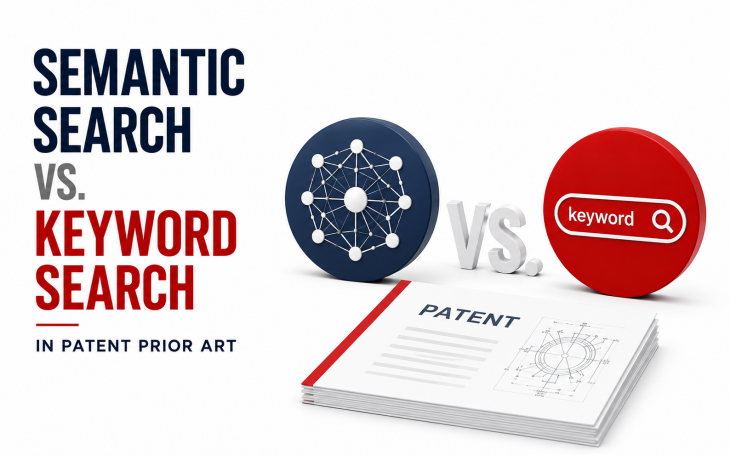
Semantic Search vs. Keyword Search in Patent Prior Art
Keyword and Boolean search match exact strings you type. Semantic patent search matches meaning, so it surfaces prior art that uses different words for the same concept. Keyword search still wins for known terms of art and precise number lookups....

AI Patent Search: How It Works, Benefits & Best Practices
AI patent search uses natural language processing and machine learning to find relevant patents and non-patent literature by meaning, not exact keywords. It surfaces prior art that Boolean search misses, works across languages and jurisdictions, and reads claim language in...