
Make Your Patent Search Solution a Reliable Source: The Significance of On-Time Data Delivery
In today’s hyper-fast-paced commercial environment, patent search solution providers cannot overestimate the value of first-mover advantage. Apart from increased brand recognition as a market leader, being the very first to deliver updated data to your customers is an important step...

The Secrets of Patent Search with AI at the Core
Is it necessary to conduct a patent search? There are numerous ideas for each individual in this world, and we are confident that each one is worth documenting. At the same time, how do we know if they’re all novel and...

Emerging Applications of NLP and Related Technology
The general public is becoming more aware of the power of natural language processing (NLP) to revolutionize industries and power next-generation technologies, thanks to generative AI. While NLP is already widely used in applications such as chatbots, writing assistants, predictive...

AI Reinventing Patent Search
Artificial intelligence is reinventing patent search by assisting organizations in keeping them updated with industry trends and uncovering meaningful innovations, as well as inspiring and informing the development of new products and services. Companies and research organizations must use AI...
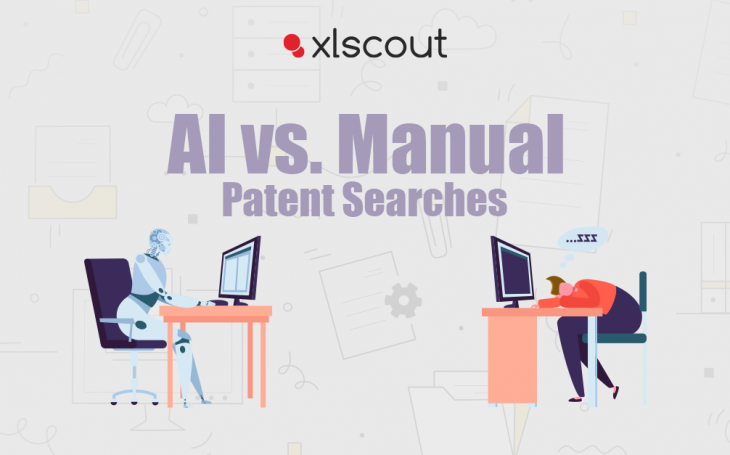
AI vs. Manual Patent Searches: How a Hybrid Approach Can Improve Results
“While AI-based patent search tools are quick and easy to use, they can be combined with manual patent searches performed by experienced analysts to produce better results.” The global Artificial Intelligence (AI) market is growing rapidly. Henceforth, making it clear...

Emerging Challenges of Software Patenting
Frequently, inventors or software developers are concerned about their invention and whether or not they will be able to obtain legal protection (software patent) for it. But before we get into the topic of software and patents, it’s important to...