
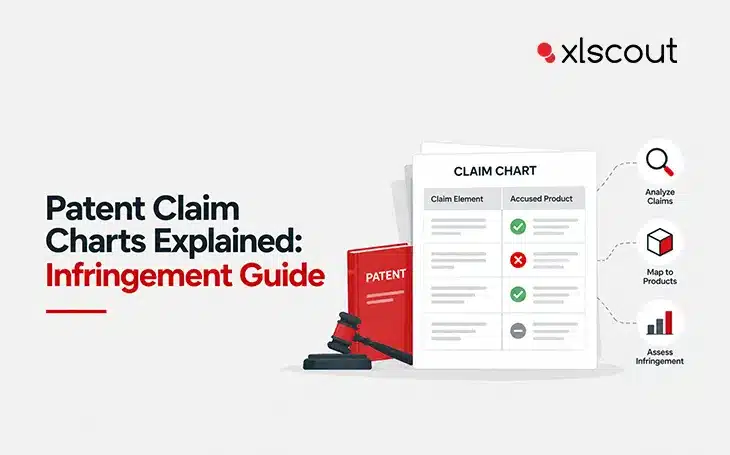
Patent Claim Charts Explained: The Complete Guide to Infringement Analysis
Quick answer: A patent claim chart is a structured, element-by-element comparison table that maps the language of a patent claim to specific features of an accused product or a prior art reference — proving, line by line, that every claimed...
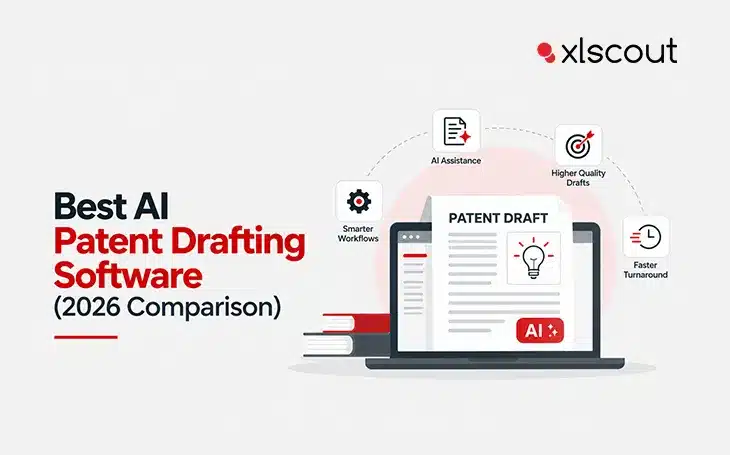
Best AI Patent Drafting Software in 2026: Comparison Guide
Quick answer: The leading AI patent drafting platforms in 2026 fall into two categories — end-to-end lifecycle platforms that combine drafting with prior art search, prosecution, and invalidity analysis (e.g., XLSCOUT, Patlytics, PatSnap), and focused drafting tools built primarily to...
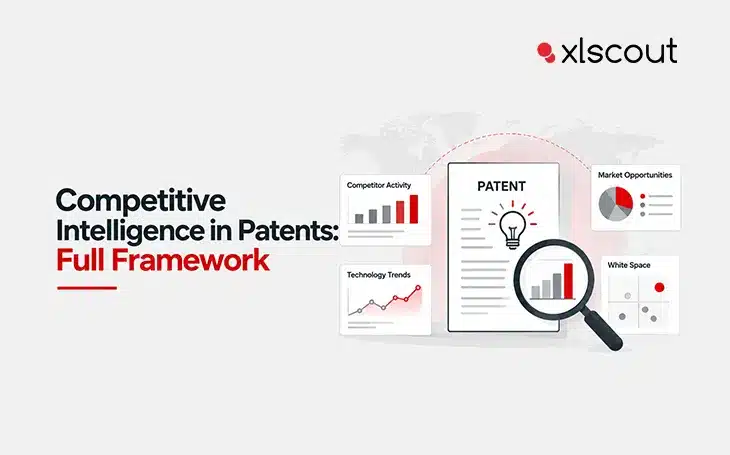
Competitive Intelligence in Patents: The Complete Framework
Quick answer: Patent competitive intelligence (CI) is the ongoing practice of monitoring, analyzing, and benchmarking competitors’ patent filings to inform R&D, licensing, and market strategy. Unlike a one-off “competitive landscape report,” effective CI is a continuous cycle — monitor new...
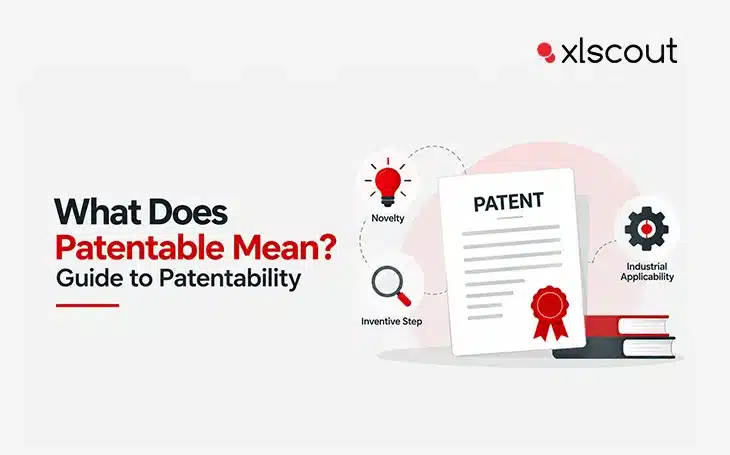
What Does Patentable Mean? The Complete Guide to Patentability
Quick answer: Patentable means an invention satisfies three legal requirements at the same time: it is novel (new), non-obvious (an inventive step beyond current knowledge), and useful (has a specific, real-world application). An idea that fails even one of these...
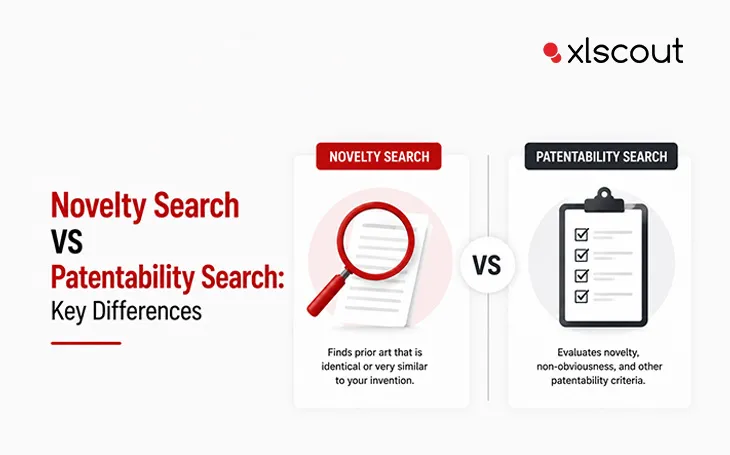
Novelty Search vs. Patentability Search: What R&D Teams Need to Know
A novelty search asks one question: does prior art already disclose your invention? A patentability search asks a broader one: is your invention both novel and non-obvious enough to earn a patent? Novelty is a subset of patentability. XLSCOUT’s Novelty...

AI Patent Search Market Size, Growth & Trends (2026 Report)
The AI patent search market was valued at USD 746.81 million in 2025 and is projected to reach USD 5,370.47 million by 2035, a CAGR of 21.92% from 2026 to 2035, according to SNS Insider. Rising global filing volumes and...